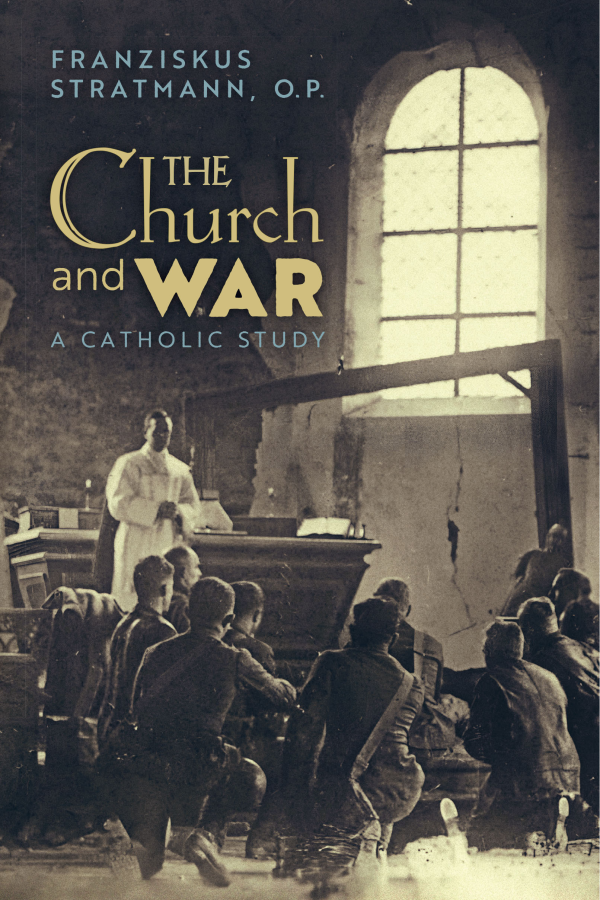
The Church & War: A Catholic Study
- Product Code: tcaw
$15.95
-
Dominican author Catholic peace study Just war tradition Mystical Body of Christ Paperback
Edition
Newly typeset edition
Format
Only available in paperback
Original publication
Originally published in 1928
✠ OVERVIEW ✠Only available in paperback. Originally published in 1928.
The Church and War was written nearly a hundred years ago, but has not lost any relevance in our day. The author, Franziskus Stratmann, O.P. (1883–1971), was a long-standing advocate for peace. Making full use of the Catholic tradition, he shows how modern warfare is incompatible with the Church’s teachings. While a few of his finer points may be debated by some, Stratmann’s motivation for this study demands attention.
His aim was “to learn how we can bring the world out of anarchy to order, how we can answer the call for help even if it comes to us in the form of curses, how we can heal the special wound from which our world today is suffering: that wildest form of anarchy which is war.” Fr. Stratmann does not dismiss the concept of “defensive war,” which has a secure place in the Church’s teaching. Rather he questions whether the modern pursuit of war is morally reasonable.
Love of neighbour, rooted firstly in the love of God, is not a weak and insipid sentimentality, but a command from Our Lord, the paragon of strength and sacrifice. For Stratmann, love of neighbour applies not only to personal relations but also those between nations. The Catholic Church has always understood herself as a beacon of peace among nations, even if her voice is ignored or shouted down by contemporary warmongers. Stratmann reminds us that war need not, and should not, be inevitable.
✦ THE AUTHOR ✦✠✠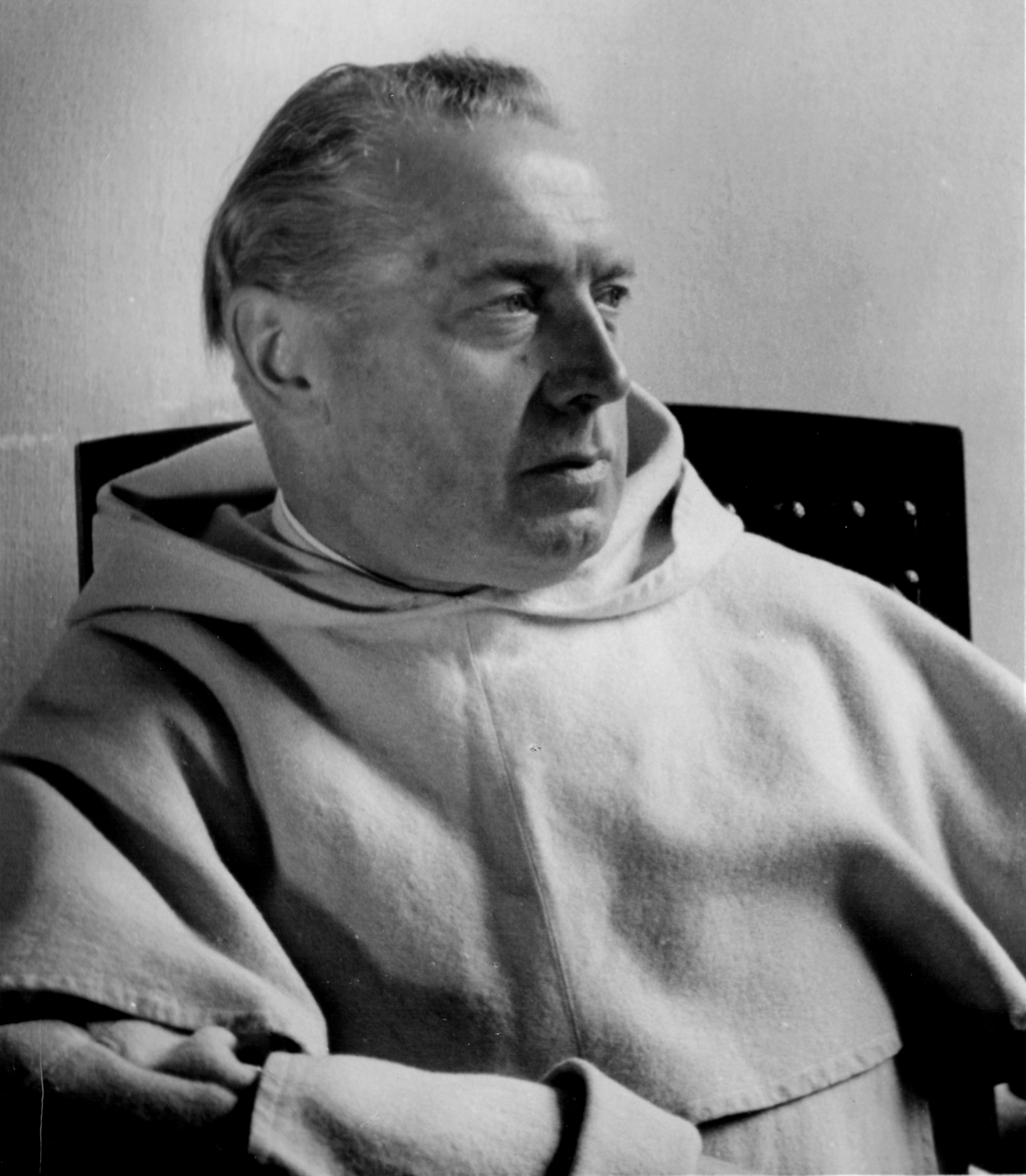
(Source: Archiv der Dominikanerprovinz Teutonia, Köln)
Dominican witness to peace
Franziskus Stratmann, O.P.
Stratmann’s study is not a detached political tract. It is a Catholic moral argument written by a Dominican priest who brings the tradition of the Church to bear on one of the darkest wounds of modern life: the temptation to treat war as normal, inevitable, or spiritually harmless.
His argument returns again and again to the Church’s supernatural vision of man: the Mystical Body of Christ, the duties of charity, the limits of force, and the need to move from anarchy toward order under God.
A voice against the inevitability of war
“...to learn how we can bring the world out of anarchy to order... how we can heal the special wound from which our world today is suffering: that wildest form of anarchy which is war.”
❦ WHY THIS BOOK MATTERS ❦Theological foundation
The question of war is placed under the light of Christ, charity, and the Mystical Body of the Church.
Just war examined
Stratmann does not deny defensive war, but asks whether modern warfare can realistically satisfy moral conditions.
Against modern anarchy
War appears here as a sign of social disorder and moral collapse rather than as an unquestioned instrument of policy.
Still timely
Though written after the First World War, the book speaks directly to the moral confusions of modern international conflict.
✦ INSIDE THE BOOK ✦Spiritual and moral vision
The Church as a peacemaker among nations, and Christian charity as a principle with public consequences.
Moral reasoning
A searching analysis of defensive war, the limits of force, and the moral reasonableness of modern military conflict.
Public order
Reflection on how doctrine can be instilled in hearts and supported by institutions that seek peace rather than disorder.
-
Prince of Peace Catholic peace Just war doctrine Mystical Body of Christ For all who work for peace
The praise for this volume is united by one conviction: Catholics cannot think rightly about war unless they think with the Church—through Christ, charity, justice, and the moral tradition.
not pacifism · not bellicosity · Catholic moral clarity
✠ ENDORSEMENTS ✠❦ WHAT THE PRAISE EMPHASIZES ❦The Mystical Body
The question of war is treated in the light of Christ’s Body, not merely political expediency.
Just war seriousness
Stratmann’s argument presses readers to recover the rigor of the Augustinian-Thomistic tradition.
Practical peace
The endorsements stress that the book is not abstract only, but concerned with forming hearts and institutions.
A better way
Storck emphasizes the Catholic need to see war as a last resort and to cultivate love for all mankind.
Reviews (0)
Be the first to write a review for this product.