-600x900.png "The Church Speaks to the Modern World: The Social Teachings of Leo XIII")

The Reign of Christ (XIII Books)...
PAPERBACK NOW AVAILABLE TO CUSTOMERS (note the international shipping cost) XIII Books, Arouca Press’s new imprint de...
View Book →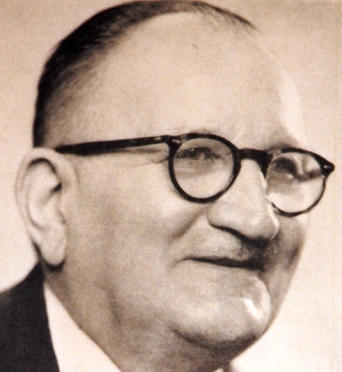
Editor
Étienne Gilson
Philosopher & historian
The editor
Gilson presents Leo XIII’s encyclicals as a living doctrinal body: ordered, Thomistic, political, social, and missionary. His introductions and summaries help the reader see the deep unity of Leo’s teaching without distracting from the papal texts themselves.
In the present pontificate of Leo XIV, this volume takes on fresh urgency: the name Leo naturally recalls the pope who gave the modern Church one of her clearest and most comprehensive responses to liberalism, socialism, naturalism, false liberty, and the social question.
A book for the present hour
The modern world is still wrestling with the very questions Leo XIII addressed: liberty, authority, marriage, labor, private property, socialism, naturalism, Freemasonry, the duties of citizens, and the Christian constitution of civil society.
This is a new edition of Etienne Gilson's compendium of Pope Leo XIII's social encyclicals as arranged by the Pope himself. Originally published in 1954 this new edition features a foreword by Thomas Storck. It is newly typeset and is a larger trim size (6 x 9) for easier readability. All the endnotes have been made into footnotes.
In The Church Speaks to the Modern World, Etienne Gilson presented for the first time the basic encyclicals of Leo XIII arranged in the order expressly indicated by the Pope himself. Gilson’s sparkling introduction provides the proper perspective for the encyclicals; his notes brilliantly clarify obscure points; his summaries provide an immediate grasp of each encyclical; and his study of the variant translations is invaluable.
In short, here is the definitive collection of the most important and far-reaching papal pronouncements of the modern age.
Gilson’s edition gathers the central texts of the Leonine social corpus, together with introductions and summaries that make the doctrinal architecture visible.
Foundations
Aeterni Patris on Christian philosophy and Libertas on human liberty.
Family and society
Arcanum on Christian marriage and Rerum Novarum on capital and labor.
Church and State
Diuturnum, Immortale Dei, and Sapientiae Christianae on civil authority and Christian citizenship.
Errors of modernity
Humanum Genus on Freemasonry and Quod Apostolici Muneris on socialism.
Appendix
Inscrutabili, In Plurimis, and Graves de Communi Re.
Scholarly aids
Gilson’s introduction, summaries, annotations, bibliographical note, and indexes.
Thomistic foundations
Leo XIII begins social restoration with Christian philosophy and the doctrine of St. Thomas Aquinas.
True liberty
Against license and indifferentism, Leo teaches liberty as ordered to truth, law, and the good.
The social question
Leo speaks to capital, labor, property, the family, Christian citizenship, and the common good.
No surrender to modernity
The Church engages the modern world not by capitulation, but by bringing Christ to the world and the world to Christ.
“Catholics should not hope to restore any Christian political and social order on any other foundation” than the philosophy of St. Thomas.
Étienne Gilson, in the Introduction
What does Pope Leo XIII teach about liberty when liberty is no longer ordered to truth?
Why did Leo regard the restoration of Christian philosophy as essential for social order?
How do the rights and duties of capital and labor depend upon a correct doctrine of man?
What does it mean for the Church to speak to the modern world without becoming modernist?
Title
The Church Speaks to the Modern World
Subtitle
The Social Teachings of Leo XIII
Editor
Étienne Gilson
Foreword
Thomas Storck
Paperback ISBN
978-1-989905-85-2
Hardcover ISBN
978-1-989905-86-9
Opening matter
Foreword xi
Introduction xvii
Main section
The Leonine Corpus 1
Back matter
Conclusion 327
Bibliographical Note 331
I · p. 3
Aeterni Patris
On Christian Philosophy: August 4, 1879 p. 6
II · p. 31
Libertas Praestantissimum
On Human Liberty: June 20, 1888 p. 34
III · p. 63
Arcanum Divinae Sapientiae
On Christian Marriage: February 10, 1880 p. 66
IV · p. 93
Humanum Genus
On Freemasonry: April 20, 1884 p. 97
V · p. 121
Diuturnum
On the Origin of Civil Power: June 29, 1881 p. 123
VI · p. 139
Immortale Dei
On the Christian Constitution of States: November 1, 1885 p. 144
VII · p. 173
Quod Apostolici Muneris
On Socialism: December 28, 1878 p. 175
VIII · p. 187
Rerum Novarum
On Capital and Labor: May 15, 1891 p. 193
IX · p. 235
Sapientiae Christianae
On Christians as Citizens: January 10, 1890 p. 239
Appendix I · p. 269
Inscrutabili Dei Consilio
On the Evils of Society: April 21, 1878 p. 271
Appendix II · p. 283
In Plurimis
On the Abolition of Slavery: May 5, 1888 p. 286
Appendix III · p. 307
Graves De Communi Re
On Christian Democracy: January 18, 1901 p. 310
Conclusion
p. 327
Bibliographical Note
p. 331
Index
p. 335
Index of Proper Names
p. 341
These endorsements emphasize the same point from different angles: Leo XIII’s social encyclicals are not merely historically significant, but indispensable for Catholics who wish to understand the Church’s perennial mission in the modern world.
clarity · sobriety · social doctrine · political wisdom · Christ and modernity
The fullness of Leo
The endorsers stress the value of recovering Leo XIII’s teaching in its breadth and cohesion.
Gilson’s clarity
His introductions, notes, and reading guides help reveal the order of the papal teaching.
Modern engagement
Leo’s engagement with modernity is presented as a continuation of the Church’s perennial mission.
Every age
The volume is praised for speaking to permanent questions of society, economics, culture, and politics.
Be the first to write a review for this product.
PAPERBACK NOW AVAILABLE TO CUSTOMERS (note the international shipping cost) XIII Books, Arouca Press’s new imprint de...
View Book →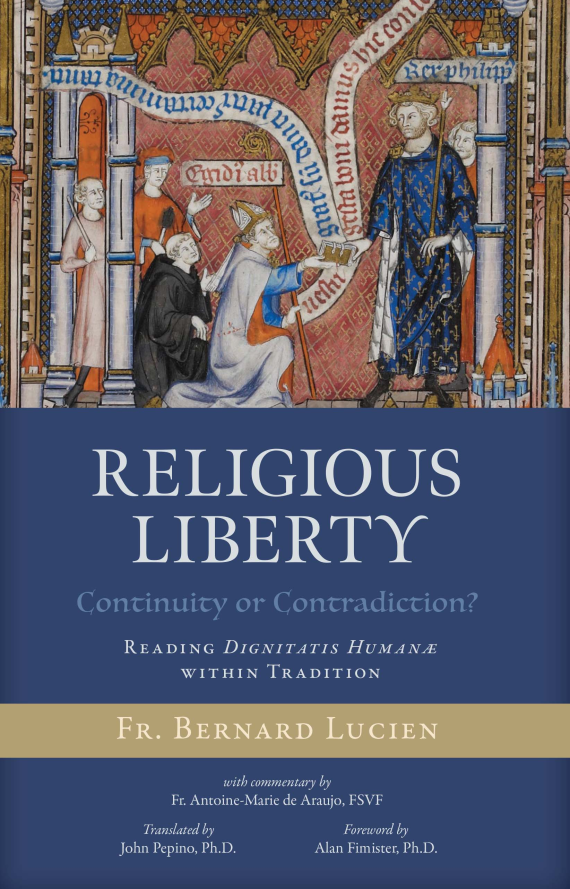
✠ ✠ ❦ ❦ Dignitatis Humanæ · Tradition · Conscience · Magisterium Religious Liberty Continu...
View Book →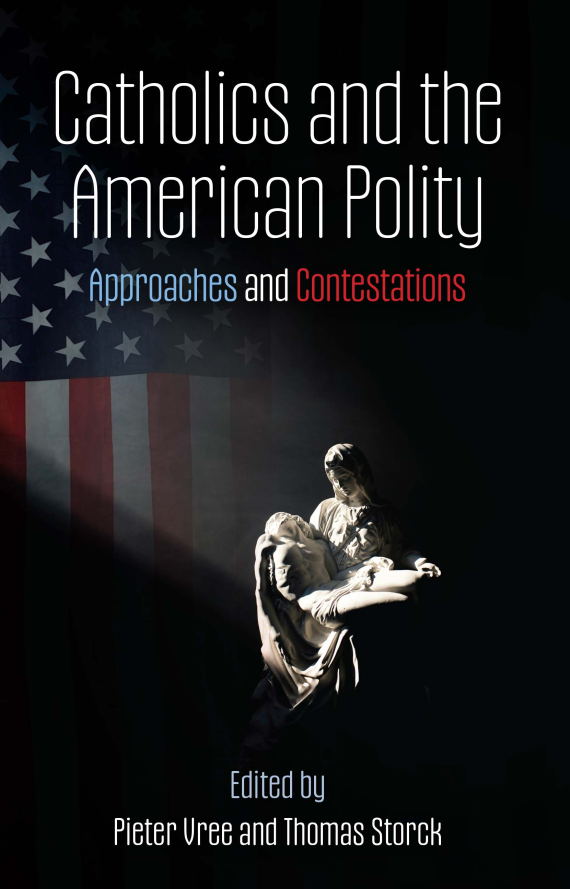
★ ★ ★ ★ ★ ★ ✦ ✦ Catholic political life in an exhausted republic? Catholics and the...
View Book →
Only available in a paperback edition. Originally published in 1947, this book is distillation of Pope Leo XIII's po...
View Book →