-600x900.png "A Study of the \"Autonomous\" Episcopate")
-200x200.png)
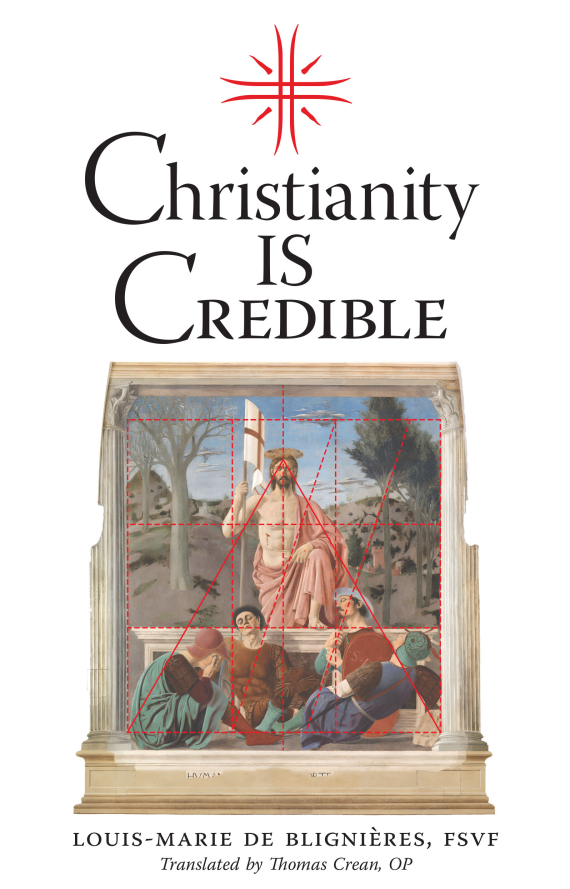
Christianity is Credible...
Translated by Fr. Thomas Crean, O.P. from the original French edition published by DMM in 2019. While faith is ...
View Book →A measured work on a grave ecclesiological question: whether the crisis in the Church can justify the emergence of an episcopate functioning apart from the hierarchy founded by Christ.
Part I
A candid conversation about the summer of 1988 and the theological motives of those who could not support the consecrations.
Part II
The 1987 theological study on the possibility, lawfulness, and expediency of an “autonomous” episcopate.
For today
A book for readers who want argument, theological precision, and ecclesial seriousness—not slogans.
“We hope this work will foster honest debate and serious reflection on a question of great importance for all those concerned with the crisis in the Church.”
—Publisher’s Note
Possibility
Can there be bishops who possess only material apostolicity while lacking a formal apostolic mission?
Lawfulness
Can extraordinary circumstances justify conferring episcopal consecration apart from apostolic institution?
Expediency
Would such a remedy truly serve the common good of the Church—or deepen the rupture it seeks to address?
“The situation of the Church is certainly extremely grave. It will not be improved, however, by an act that constitutes a practically definitive rupture with the Roman See and with the Catholic episcopal college.”
—Argument of the Study
Publisher’s Note
The purpose, context, and importance of the English edition.
Preface (2026)
Fr. de Blignières explains why the 1987 study remains pertinent today.
Part I
A Candid Conversation about the Summer of 1988
Part II
A Study of the “Autonomous” Episcopate
Three Questions
Is it possible? Is it lawful? Is it expedient?
Conclusion
A final theological judgment and brief response to an objection.
Apostolicity
Material succession and formal apostolic mission.
Primacy
The Roman Pontiff’s universal, ordinary, immediate jurisdiction.
Unity
The unity of the Church as part of the deposit of faith.
Epikeia
Whether equity can be invoked in matters touching the hierarchy.
For serious readers
This is a book for priests, religious, theologians, historians of traditionalism, and lay readers who want to understand the question of episcopal consecrations without papal mandate in its theological depth. It is not a pamphlet. It is an invitation to think with the Church.
Two public responses to the same question
The announcement of new SSPX episcopal consecrations has brought the central question of this book into renewed focus. The two articles below approach the issue from opposing sides: one defends the position that the consecrations do not constitute schism or valid excommunication; the other argues that episcopal consecrations against the will of the Pope risk a separatist solution incompatible with Catholic hierarchical communion.
For the consecrations
FSSPX Actualités · 17 June 2026
This article revisits the canonical and theological foundations of the 1988 sanctions and argues that the Society of Saint Pius X has consistently contested their validity. It frames the new debate through the same questions raised in 1988: schism, excommunication, episcopal consecration without pontifical mandate, and the defense of the faith during a grave crisis in the Church.
Why it belongs here
It presents the argument most directly opposed to the thesis of Fr. de Blignières’ study, making the disputed point visible to readers.
Against the consecrations
Dom Louis-Marie de Blignières · Rorate Cæli · Sedes Sapientiae no. 176
This article argues that episcopal consecrations against the will of the Pope and without a mandate from the Church lead toward separatism. It acknowledges the reality of crisis in the Church while insisting that rupture from hierarchical communion by a particular group makes the resolution of that crisis more difficult.
Why it belongs here
It develops the same concern at the heart of the book: whether one can preserve Tradition through means that weaken the Church’s visible hierarchical unity.
Fr. Louis-Marie de Blignières was ordained priest in 1977 by Archbishop Marcel Lefebvre. In 1979 he founded the Fraternity of St. Vincent Ferrer, a community Dominican in spirituality and marked by traditional religious observance, the study of St. Thomas Aquinas, and the Dominican liturgical books in force in 1962. In 1988, after the publication of Ecclesia Dei, the Fraternity became a religious institute of pontifical right.
Be the first to write a review for this product.
Translated by Fr. Thomas Crean, O.P. from the original French edition published by DMM in 2019. While faith is ...
View Book →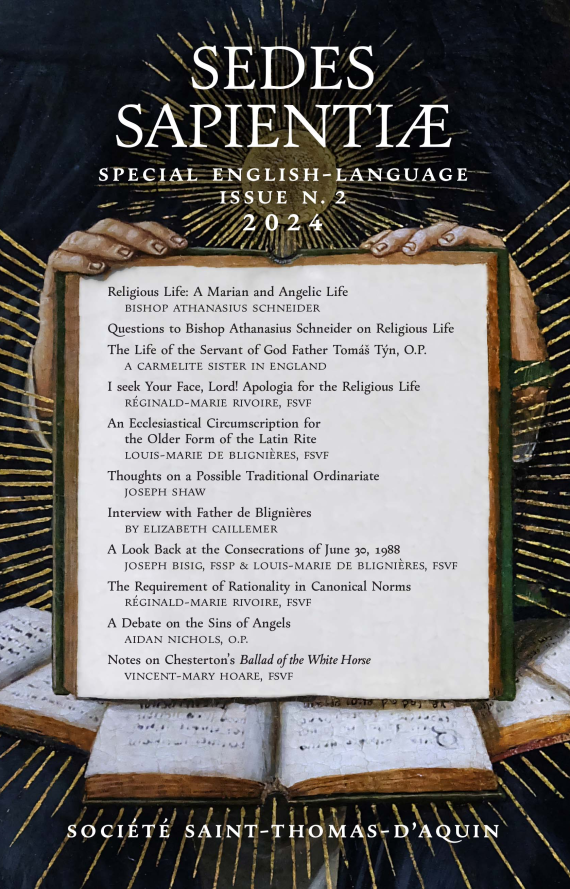
SEDES SAPIENTIÆ IS A QUARTERLY REVIEW published in French and dedicated to Christian formation. Founded more than thirty...
View Book →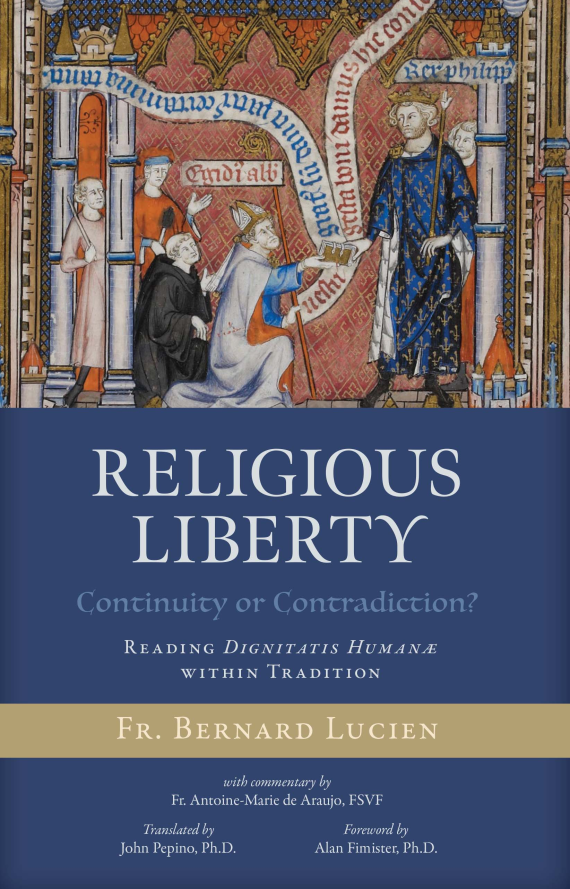
✠ ✠ ❦ ❦ Dignitatis Humanæ · Tradition · Conscience · Magisterium Religious Liberty Continu...
View Book →
✦ ✦ ✦ Michael Davies The Great Defender of Catholic Tradition by Leo Darroch · Foreword by Adrian Davies &nb...
View Book →